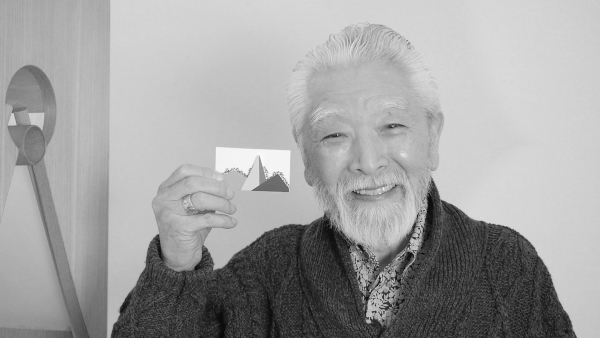
Raymond Moriyama
Architect
(1929 – 2023) was an architect who designed some of Canada’s most iconic buildings and helped cultivate Canadian architectural identity. Among notable buildings he designed was the original Japanese Canadian Cultural Centre (JCCC), Toronto Reference Library, Bata Shoe Museum, Canadian War Museum, and the Ontario Science Centre. Though Canadian born, in his youth, Moriyama and his family were interned in Slocan, BC as prisoners during the Allied war with Axis powers. This experience informed Moriyama’s life, design philosophy and his architecture. Since internment, Moriyama grew to become Canada’s pre-eminent architect.
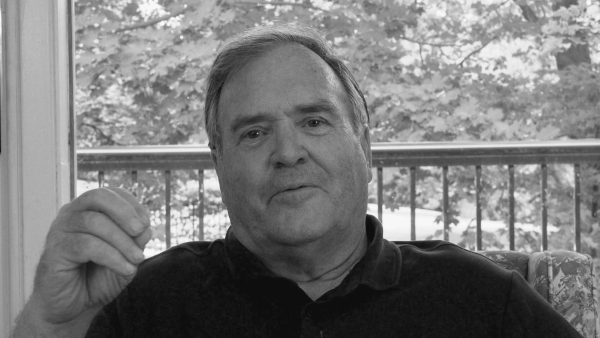
Anson Finlay
Architect
(1939 - 2023) was a graduate of bachelor of science from University of Saskatchewan, subsequently graduated in architecture from the University of British Columbia. Anson Finlay joined Moriyama & Teshima in 1966 after being inspired by Moriyama’s golf course design buildings and the original Japanese Canadian Cultural Centre (since renamed the Noor Cultural Centre). Finlay subsequently designed the growing offices of M&T at 32 Davenport Road as one of his first projects there, ‘Building A’, the entrance building of the OSC and Science Centre North in Sudbury, Ontario.
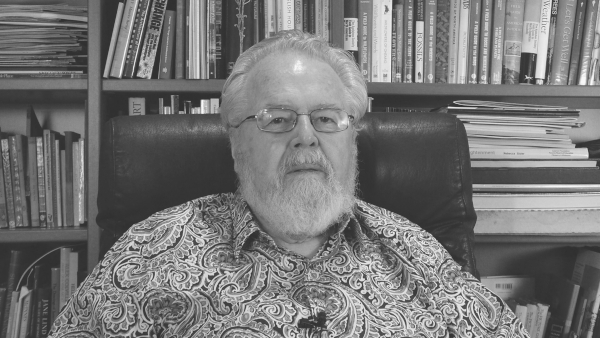
John Snell
Architect
graduated from the school of architecture, University of Toronto, as well as Regent Street Polytechnic of London, England, where he worked a few years, helping construct notable buildings there. John Snell was inspired by JCCC design and decided Moriyama was the person he wanted to work for and was duly hired in 1966 and became the firm principal in 1969. Snell was in charge of construction management for the OSC and OSC North, Sudbury. Among Snell’s specialties was crafting the pre-cast concrete for both Science Centre’s, of a surpassing quality to last centuries.
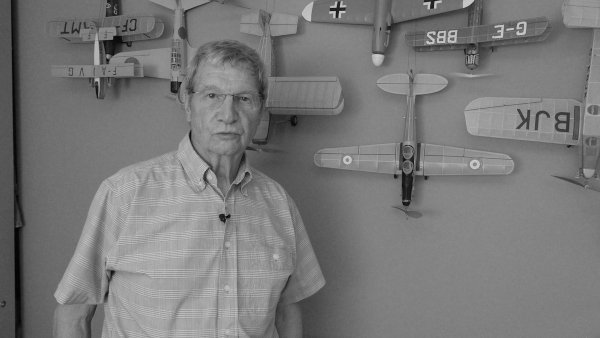
Don Cooper
Artist
was one of the first employees at M&T, back when Moriyama’s practice was a humble office in a bungalow on Toronto’s then-hipster Yorkville district. One of the first projects Cooper collaborated with Moriyama on was the Civic Garden Centre. Largely self-taught, Cooper’s only formal training as artist was life drawing classes taught by John Gould. Not exactly a ‘hired employee’ at first, Cooper was around, ‘ad hoc’ to work on projects as needed while honing his craft as an artist. He would later be officially hired when the OSC was commissioned.
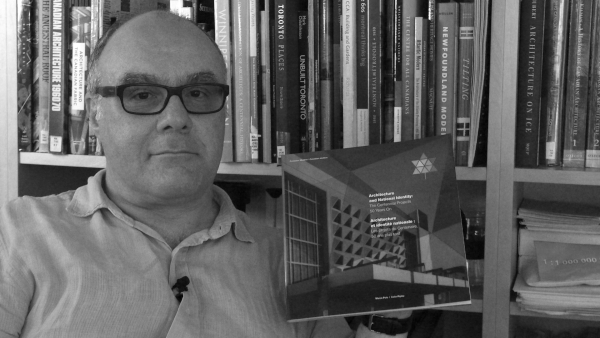
Marco Polo
Professor of Architecture
Marco Polo is professor of architecture at Metropolitan University ( previously Ryerson ) and has deep knowledge of Canadian and international architecture. Polo presided and lectured at the 50th anniversary symposium for the Ontario Science Centre, bringing context on how and why the OSC was built. Polo co-authored Architecture and National Identity: The Centennial Projects 50 Years On .
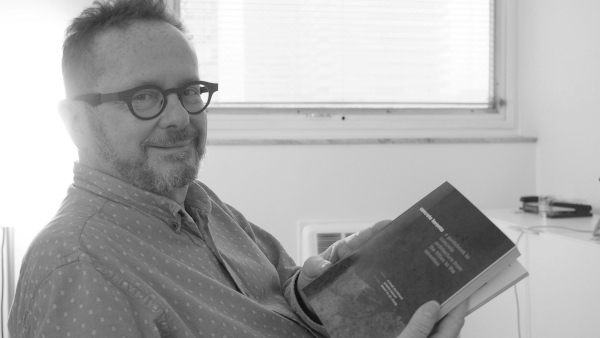
Michael McClelland
Architect, principal, scholar
Michael McClelland is an oft awarded and much celebrated Toronto-based Canadian heritage architect, meaning he is tasked with preserving key aging landmark architecture as principal of his firm, ERA architects. Among buildings restored or repurposed for modern use include the Brickworks, Union Station, and the Distillery District. McClelland is also editor of Concrete Toronto, a compendium of Toronto’s concrete-based modernist architecture
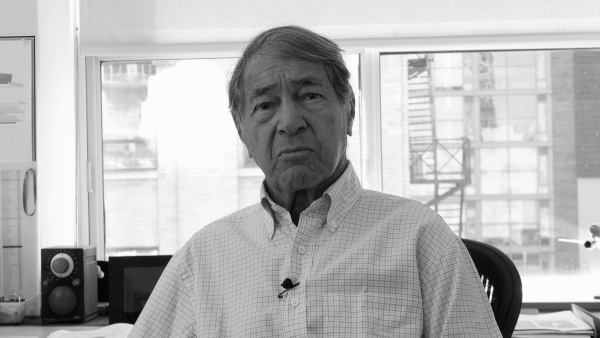
Jack Diamond
Architect, principal, artist
(1932 - 2022) Jack Diamond architect, teacher, artist and in 1974 co-founded Diamond Schmitt Architects. Diamond was born and educated in South Africa, where he received his Bachelor of Architecture from University of Capetown, then further educated at University College in Oxford (Uk) and then University of Pennsylvania (USA) where he studied under architect, Louis Kahn. Among buildings Diamond designed are Central YMCA Toronto (1981), York University Student Centre (1988), and Osgoode Hall Law School (2012).
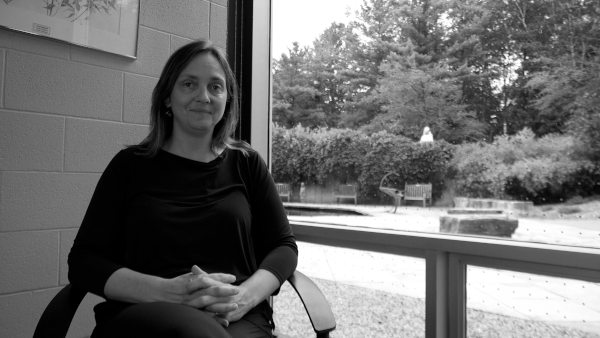
Justine Richardson
Director, University of Guelph Arboretum
Justine Richardson hails from Whitesburg, Kentucky, and was trained at Appalshop in multimedia as a documentary film maker. Richardson was educated at Yale and Michigan State University. Among her film credits are Girls' Hoops, Musical Improvisation at Land's End, and His Eye is on the Sparrow. In 2004, Richardson relocated to Guelph, Ontario where she is now director of the Raymond Moriyama-designed University of Guelph Arboretum.
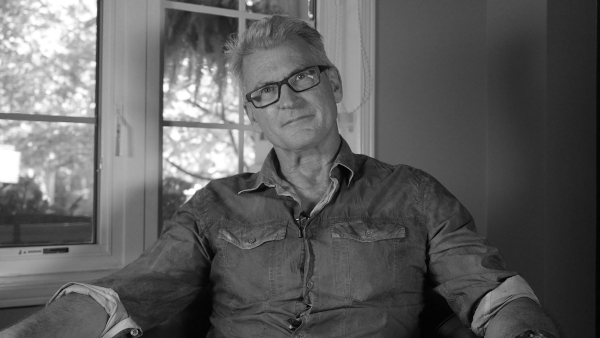
Kevin von Appen
Director of Science Communications, Ontario Science Centre
Started as science writer and editor in the late 1980’s and eventually became director of science communications of the Ontario Science Centre (OSC). Von Appen discovered a joy in learning and explaining science to young visitors, not only in writing but also as one of the OSC ‘hosts’ who wore white labcoats on the floor of the exhibits, meeting young visitors. When children asked if he was a scientist, his response was, “yes I am and so are you.”
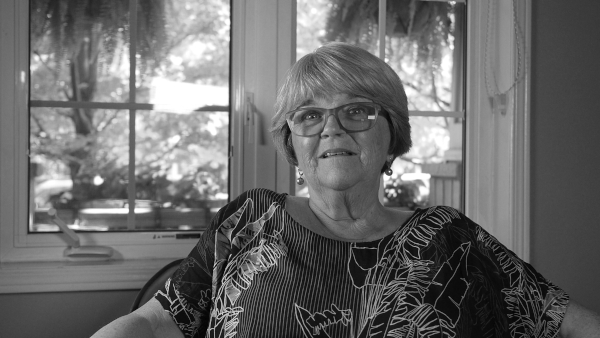
Lesley Lewis
Chief Executive Officer, Ontario Science Centre
Is the longest serving CEO of the Ontario Science Centre (OSC) from 1998 through to 2014. Prior, Lewis was executive director of the Human Rights Commission and the Ontario Heritage Trust and has an educational background in sociology. Inititially Lewis was asked by the OSC board of directors to cover as CEO during a leadership crisis, but was then asked to be permanent. Lewis is now consultant for other science centres, worldwide.
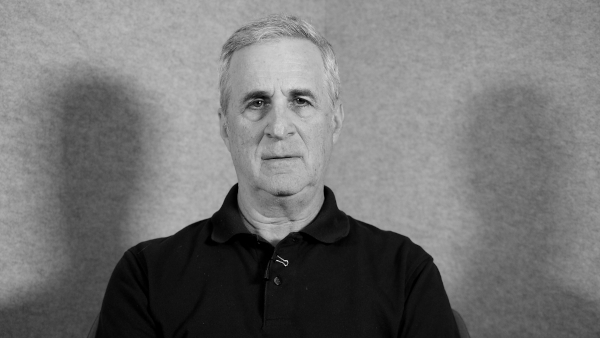
Scott Calbeck
Historian, journalist, film director
Scott Calbeck is a historian, with an educational background in history and journalism at Indiana and Carlton Universities. He is also a film director with Pauline: The Pauline Johnson Story (1999), Raw Opium (2010) , and Magical Imperfection (2020) to his credit. The latter came about when Calbeck read about the Canadian War Museum in 2005 and was intrigued to learn about the architect. So began a decade long research and production journey with co-director, David Hoffert, on the life and times of Raymond Moriyama.
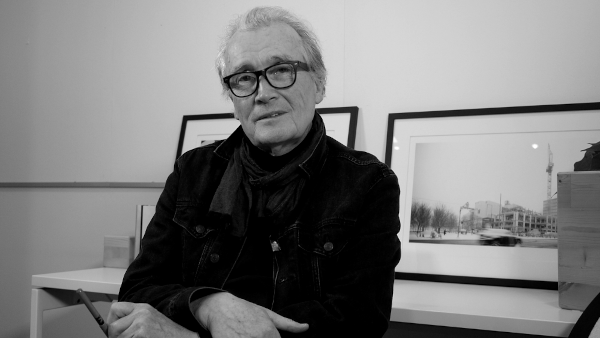
Diarmuid Nash
Architect, partner
Senior partner at Moriyama & Teshima who joined in 1988 and prior worked for the Shimizu Corporation in Tokyo, Japan. Nash holds a double major in environmental sciences and architecture from the University of Manitoba. Nash worked with Moriyama on several landmark buildings including the Canadian War Museum, Bata Shoe Museum and both the Aga Khan Museum and Ismaili Centre.
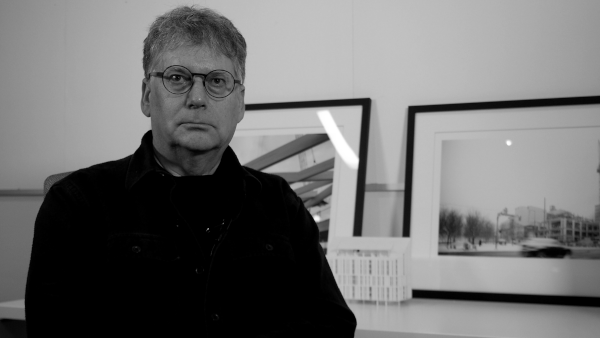
Brian Rudy
Architect, partner
Is from North Bay and graduated from University of Waterloo with an architecture major. Rudy joined Moriyama & Teshima in 2002 and worked with Raymond Moriyama on the Canadian War Museum. Since then, Rudy earned multiple awards including a governor general award for architecture and among buildings he designed are the Discovery Science Centre in Halifax and the Waterloo Region Museum. Rudy is also a musician and performing artist and his music can be found on his personal site.
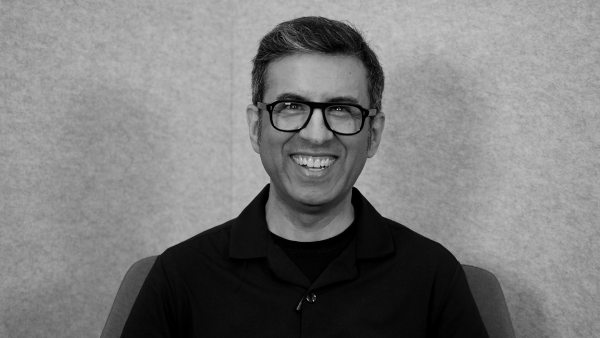
Vik Pahwa
Photographer
Among Toronto’s more prolific and talented urban landscape and architecture photographers, Pahwa graduated McMaster University in engineering, left a career in software for photography. Pahwa bought a used camera and shot what interested him. Before long, he worked for Ontario Creates, among other clients, doing film location shooting. In 2017, Pahwa launched his excellent photography site highlighting Toronto mid century buildings and makes the seemingly mundane, interesting. Pahwa also contributes to books on architecture and organizations such as Architecture Conservancy Ontario (ACO).