Heart Ontario Science Centre Heart: Ontario Science Centre
  • about
  • cast
  • contact
  • feature
  • why
  • pulse
  • links
    Every Centennial Project Magical Imperfection: Documentary on the life and times of Raymond Moriyama Ontario Place For All Save the Science Centre
  • Meet Don Cooper and Anson Finlay of Moriyama & Teshima

    19 June, 2017

    Don Cooper, left and Anson Finlay, right working at Moriyama & Teshima

    Visited the home of Anson Finlay, retired architect of Moriyama & Teshima , and also visiting was 'architecture concept artist' and 'model builder', Don Cooper, retired. Both sat down to interviews to recall meeting and then going to work for Raymond Moriyama. Cooper met Moriyama at Ryerson Polytechnic (before it became a University) where the former attended drawing lectures by the latter. Moriyama saw potential in Cooper and encouraged him to take life drawing classes to further hone his skill. Moriyama set up his first architectural practice office in then-hipster district of Yorkville, Toronto in 1958 and as jobs came in, hired Cooper on an ad-hoc basis to build models and develop sketches and was therefore first employee.

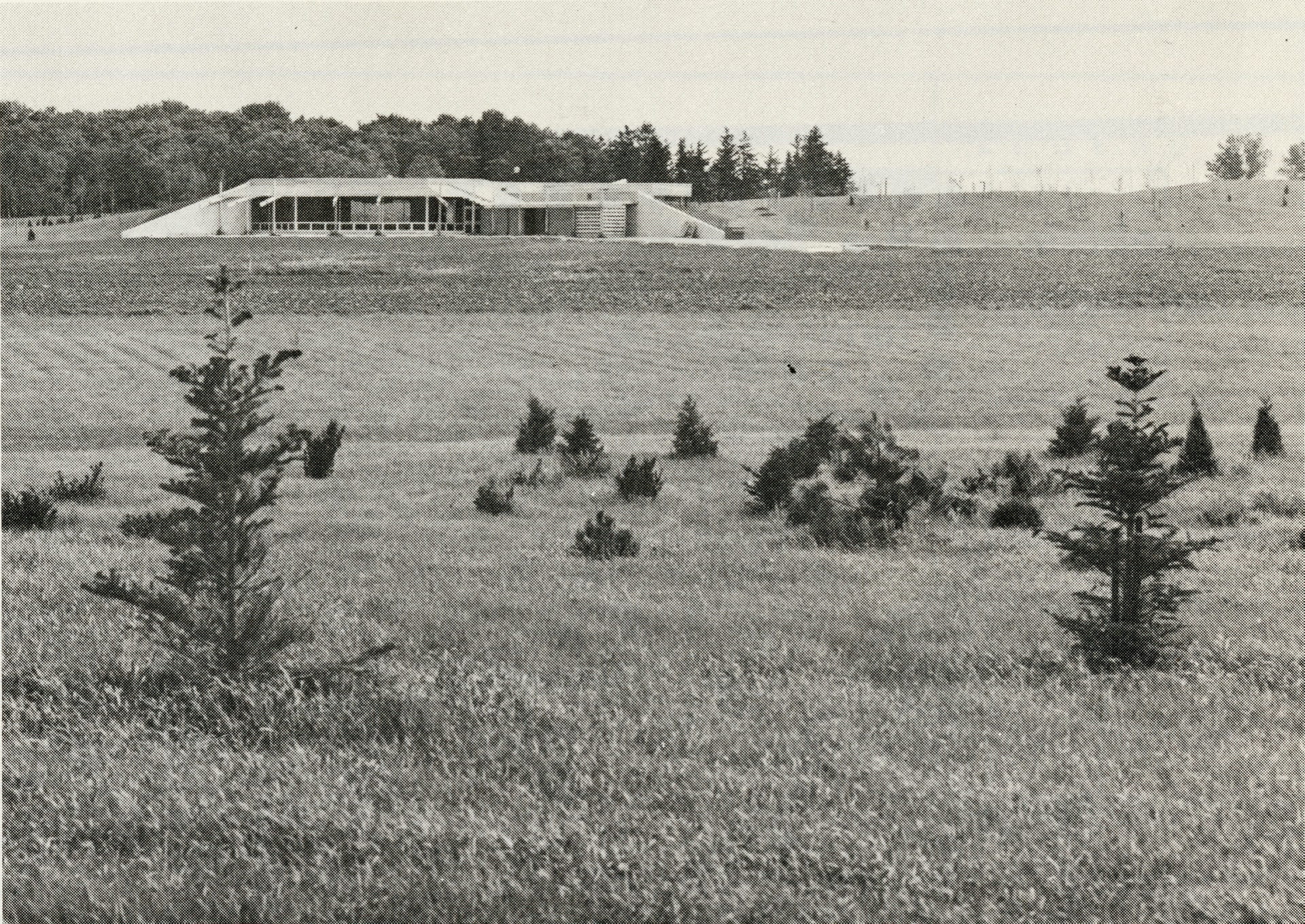
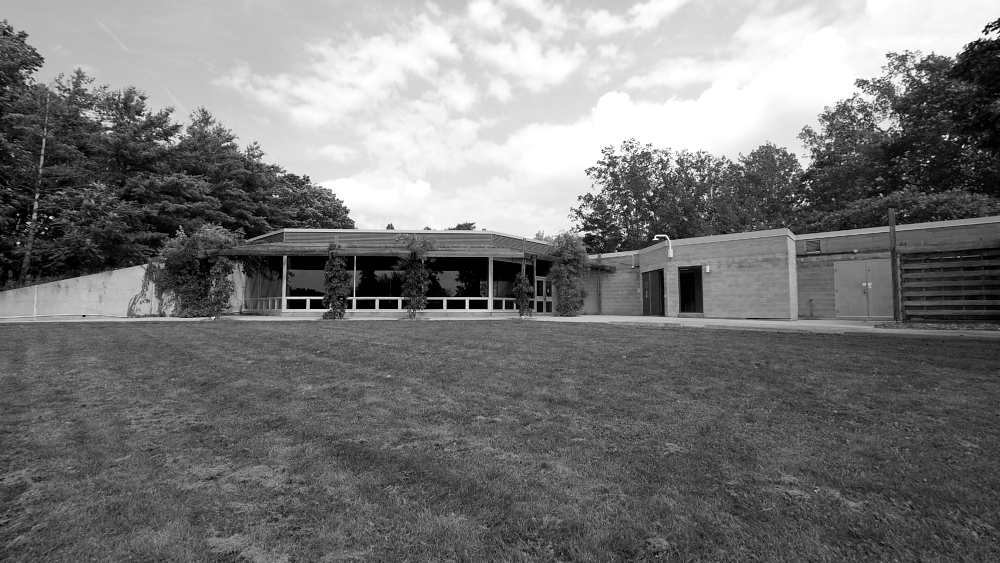
    Anson Finlay is from Saskatchewan where he studied architecture and the moved to British Columbia to continue education and get experience on projects. joined the firm later, in 1966, following the career and ground breaking (for the time) works of Raymond Moriyama such as the golf course shelter, dubbed the 'half way house', and witnessed construction of the original Japanese Canadian Cultural Centre (JCCC) at 123 Wynford Drive. Finlay realized that Moriyama was 'the future', and who he wanted to work with and wrote a letter to express this. Moriyama wrote back to come East and join the firm as they were going on a hiring expansion to take on a major new project. Finlay moved to Toronto with his family where he had two major projects

    • architecture
    • Moriyama & Teshima
    • Ontario Science Centre
    • Centennial Project


  • John Snell, Ontario Science Centre project manager.

    25 May, 2017

    John Snell, left. OSC Project architect and project manager.

    John Snell, project architect, left

    Visited the home of John Snell, architect and firm principal of Moriyama & Teshima , now retired. Recorded an interview in Snell's home library / study where he told of early years working with Raymond Moriyama. John Snell began tenure with Moriyama & Teshima in 1966 as one of the most experienced staff members at the time. Snell studied architecture at University of Toronto for three years and worked the Trans Canada Pipeline to pay school tuition. Snell then moved to United Kingdom and continued his architecture studies at Regent Street Polytechnic while working on several construction projects. Snell followed the career of Moriyama & Teshima and it was when he visited Toronto in 1964 and saw the Japanese Canadian Cultural Centre (JCCC) project that clinched his decision to work for M&T. When Moriyama got the Ontario Science Centre (OSC) bid and went on hiring expansion, Snell wrote in to apply and his combination of education and experience made him a prime candidate as project manager, in 1966. At the time, Moriyama & Teshima offices were being relocated to accommodate growing staff from 711 Church Street location to the new offices at 32 Davenport Road, which was still under construction. Snell was situated at the OSC construction site and saw it to successful completion. He made M&T firm principal in 1969.

    • Moriyama & Teshima
    • Ontario Science Centre
    • Centennial Project


  • Presenters of the ACO 150 Plus symposium at the Ontario Science Centre

    21 April, 2017

    ACO 150 Flyer

    A day of immersion in Canadian architecture history featuring an impressive array of panelists including scholars and legendary architect, Eb Zeidler , who designed the Ontario Place, Eaton Centre and oversaw the renovation of 'Building A' of the Ontario Science Centre during the 1990's. Eb Zeidler's recollections and notes on the ideation of the Ontario Place is one of the great highlights of the day.


    Additional highlights include Michael McClelland, editor of Concrete Toronto: a guidebook to concrete architecture from the fifties to the seventies. McClelland defined brutalist architecture as “sublime, expressing immense power and strength” and presented Toronto's more notable modernist-brutalist buildings, such as the Robart’s library at U of T. McClelland highlights how some buildings are hated, others demolished, and then later revered down the road.


    Ryerson University school of architecture, Professor Marco Polo gave a comprehensive presentation on the architecture of Canadian Centennial Projects . Polo shows the doctrine that led to the Centennial celebration of 1967 and attendant infrastructure projects. Brutalism in architecture was the style of the time and effort and Prof Polo explains it. Starting with the Fathers of Confederation Memorial building in Prince Edward Island, other provinces wanted buildings just like it. Thus was born the Centennial project which extended to other infrastructure like parks, schools and bridges.


    • education
    • brutalism
    • architecture
    • Ontario Science Centre
    • Centennial Project


  • Raymond Moriyama, Ontario Science Centre architect featured for 'ACO 150 Plus'.

    5 April, 2017

    Raymond Moriyama at Moriayama and Teshima offices

    Raymond Moriyama, celebrated architect of the Ontario Science Centre (OSC) agreed to be interviewed by the Architecture Conservancy of Ontario (ACO) for the 50th anniversary aka the ACO 150 Plus symposium. While Moriyama will not attend the symposium, by way of compromise, he agreed to a video interview. The ACO just needed ten minutes of footage, but Moriyama was effusive and spoke for about three hours. Among topics covered were Moriyama's childhood internment in Slocan, BC, education, starting a fledgling architecture practice during his 30's, being summoned to develop the OSC, ideation, iteration, the opening, subsequent projects and the future of architecture and Canada. Here is a brief distillation, but not the whole enchilada.

    • news
    • technology
    • education
    • film
    • architecture
    • Moriyama & Teshima
    • Raymond Moriyama
    • Centennial Project


  • Previous
  • Next